Fourteen Days in the Dark: Validating Your Idea Before Anyone at Work Has a Clue
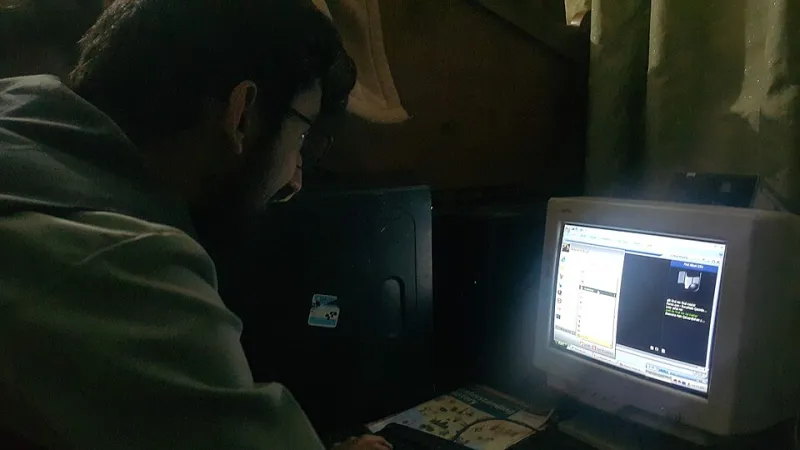
Photo: Kskhh, CC BY-SA 4.0, via Wikimedia Commons
Every wannabe founder I coach makes the same mistake in week one: they talk.
They mention the idea to a coworker by the coffee machine. They post a vague teaser on Instagram. They tell their brother-in-law at a barbecue. And within a month, the whole office knows they're "working on something on the side," their manager is giving them the side-eye, and — worst of all — the idea has died from a thousand polite smiles before a single dollar came in.
Here's the truth nobody puts on a motivational poster: your idea doesn't need applause. It needs evidence. And evidence is best collected in silence.
Why Stealth Mode Is a Feature, Not Fear
Let's get one thing straight — this isn't about being sneaky for the sake of it. Keeping your idea quiet protects three things at once:
Your job. Most employment agreements are fine with side projects, but "fine" is a legal term of art. The moment your side hustle becomes office gossip, you invite HR conversations you don't need while you're still cashing that paycheck.
Your confidence. When you announce a goal, your brain gets a little hit of social reward — the same feeling you'd get from actually achieving it. Psychologists have studied this. Announcing can literally drain your motivation to follow through. Silence keeps the hunger alive.
Your idea itself. Half-baked concepts wilt under premature scrutiny. Feedback from people who have zero skin in the game (and zero intention of buying) is mostly noise dressed up as wisdom.
So run your test in the dark. Fourteen days. Nobody at work knows. Here's exactly how.
Days 1–3: Define the Buyable Thing
Don't start with a logo. Don't buy a domain yet. Start by writing one sentence:
"I believe [specific type of person] will pay $[X] for [specific outcome]."
Not "an app that helps busy parents." Instead: "I believe working moms in the suburbs will pay $40 for a weekly pre-planned crockpot menu with a grocery list."
Specific enough to be wrong. That's the point — vague ideas can't fail, which means they can't be validated either.
Days 4–7: Go Where Money Already Changes Hands
You want to see if demand exists before you build anything. That means going to marketplaces where strangers spend money on things like yours:
- List a service version of your idea on Fiverr or Upwork. Can you get even one bite?
- Post a simple offer in relevant Facebook groups or subreddits (where rules allow). Watch the responses, not the compliments.
- Search Etsy, Amazon, or Gumroad for adjacent products. Study reviews — especially three-star ones, which tell you exactly what's missing in the market.
- If you're testing a physical product, take pre-orders with a real (refundable) payment link.
The signal you're hunting for is friction: people asking when they can get it, how much it costs, whether you can make an exception for them. Interest is polite. Friction is money.
Days 8–11: Make Ten Real Offers
Now the uncomfortable part. Reach out to ten people who match your customer description — through DMs, email, a landing page with a waitlist, whatever. Ask for the sale or a real commitment, not an opinion.
"Would you buy this?" gets you a yes from anyone's grandma. "Here's the link, it's $40, I'm delivering next Friday" gets you the truth.
Track the ratio. One sale out of ten offers? You've got something worth pushing on. Zero out of ten? Also valuable — you just saved yourself six months building something nobody wanted.
Days 12–14: Read the Data Like an Adult
Sit down with a legal pad and separate the signals:
What counts: money collected, pre-orders, paid waitlist signups, repeat questions about delivery and pricing.
What doesn't: likes, "this is so cool!" comments, your mom's enthusiasm, the fact that your idea "felt right" in the shower.
If the numbers are ugly, that's not failure — that's your two weeks doing their job. Pivot the offer, not the dream, and run another sprint. Some of the best businesses I've seen were the third version of a bad first draft.
The Quiet Payoff
By day fourteen, you'll have something most aspiring entrepreneurs never get: proof. Either a handful of strangers paid you real money for a real thing, or you learned — cheaply and privately — that this version needs work.
Either way, you walk into Monday morning with your job intact, your confidence based on data instead of hype, and nobody in the break room any the wiser.
Then, and only then, you get to decide whether this thing deserves your next fourteen days.
That's how dreams actually get built. Not with announcements. With quiet, unglamorous proof, earned one evening at a time.